








 ChatGPT
 Claude
 Grok
 Perplexity
 Gemini
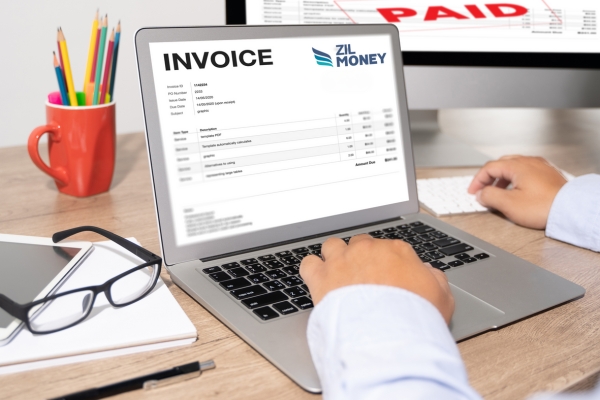
To track invoices, record each invoice number, due date, amount, and payment status. Keep two lists for your small business: invoices sent to customers and bills from suppliers.
Imagine a small business owner named Alex who has a jewelry shop. His business has been growing considerably, and now he needs to manage multiple vendors and suppliers together. This means now he has to deal with multiple invoices.
Click here to see the interactive demo
Here are some challenges Alex might face while managing invoices manually.
- He may miss invoice due dates without a regular review of his records. This may result in delayed payment and affect his cash flow.
- With more invoices to handle, he may make errors, such as incorrect amounts or client details. These errors can frustrate clients and weaken their trust.
How to track invoices in 5 steps
Invoice tracking means keeping each invoice’s details, due date, and payment record together. Keep sent and received invoices in separate lists. One shows what customers owe you. The other shows what you owe suppliers.
- Separate sent and received invoices. Use two lists or spreadsheet tabs so a customer payment does not get mixed with a supplier bill.
- Record the invoice details. Keep the invoice number, customer or supplier name, amount, invoice date, and due date. Use the number as issued.
- Update the status. Note whether the invoice is ready to send, sent, unpaid, partly paid, or paid. Check the due date separately.
- Match each payment. Compare the payment reference and amount with the invoice. Record partial payments and the balance left. Mark an invoice paid after you confirm the full amount.
- Review both lists each week. Check due dates and unpaid balances. Follow up with a customer or plan a supplier payment after you confirm the invoice details.
Invoice statuses to track
Use these terms in your tracker to show what needs attention. A sent invoice can still be unpaid, so track its due date and payment balance too.
| Tracking status | What it means | What to check |
|---|---|---|
| Draft | The invoice is still being prepared. | Check the names, items, amounts, and dates. |
| Sent | You sent the invoice to the customer. | Keep the sent date and a copy of the invoice. |
| Unpaid | Full payment has not been confirmed. | Check for payments before you follow up. |
| Due | Payment is due on the invoice’s due date. | Check the balance and the recorded due date. |
| Overdue | The due date has passed and a balance remains. | Check the payment records and contact the other party. |
| Partially paid | Only part of the amount has been paid. | Keep each payment and the remaining balance. |
| Paid | You have confirmed the full amount was paid. | Keep the payment reference with the invoice. |
In ZIL MONEY, the invoice list shows Unpaid and Paid. Use the due date and your payment records to decide what needs a follow-up.
Spreadsheet or invoicing software?
A spreadsheet works when Alex can keep both lists up to date and match payments himself. Invoicing software may suit him when he wants invoice records and payment status in the same place.
Before choosing a tool, check which dates and statuses it shows and how it handles partial payments. Do not treat sending an invoice as proof that it has been paid.
Invoice software can help a small business like Alex’s jewelry shop keep its records together. ZIL MONEY lets you create and send invoices digitally. You may also make invoice payments with the cloud-based platform. Payments can be made via ACH or wire.
With ZIL MONEY, you can check whether an invoice is Unpaid or Paid. This helps you track the amounts customers owe you.
How do I create and send invoices?
Use ZIL MONEY to create and send invoices. Follow these steps to create an invoice.
- Open RECEIVABLES, then Invoice.
- Choose New Invoice.
- Add the payer and invoice number.
- You can even enter the tax details and add attachments.
- After data entry, save the invoice or send it by email.
- Email the invoice with a payment link.
- After the invoice has been created, it will appear under your invoice list.
- Check the invoice number, due date, amount, and Unpaid or Paid status in the list.
- Use Import Invoice to bring in invoice data.
How do I receive invoice payments?
Payment links give customers a way to pay an invoice. Keep the payment record with the invoice so you can check what has been paid.
With ZIL MONEY, you can email an invoice with a payment link inside. Your customer can also get a text notification.
The customer opens the link and uses a payment option offered there. Keep the invoice number with the payment record so you can match the two.
Use ZIL MONEY to receive payments and check the related payment record. For paper-supply details, see the blank stock paper guide.
How do I make invoice payments?
ZIL MONEY offers options for paying supplier invoices. Check the bill and the supplier’s payment instructions before choosing a method.
Credit card funding: Some suppliers do not accept card payments. ZIL MONEY lets you fund supplier payments with a credit card. The supplier receives the payment by the method you select rather than by card.
ACH: ACH payments move through the ACH network, which NACHA governs. For network data, see NACHA ACH volume statistics. Keep the invoice number with your ACH payment record.
There are also multiple other options with which you can make payments using the platform, such as wire, checks, etc.
Learn how to pay an invoice.
Conclusion
If you own a growing business like a jewelry shop, you may have a number of invoices to deal with. Keep customer invoices and supplier bills in separate lists, and match payments before you mark an invoice paid.
ZIL MONEY lets you create and send invoices. You can check their status and make supplier payments. For overseas supplier payments, see international payments.
Frequently asked questions
How do I track invoices in Excel?
Track invoices in Excel with separate tabs for customer invoices and supplier bills. Add columns for invoice number, name, amount, due date, payment received or sent, and balance. Update the status when you confirm a payment. Filter the list by due date or unpaid balance to see what needs attention.
How do I track unpaid invoices?
Keep a list of unpaid invoices with the amount, due date, and any payments made. Use separate lists for money customers owe you and bills your business owes. Check the payment record before you mark an invoice paid. Leave the balance open if only part has been paid.
What is an invoice number for?
An invoice number identifies one invoice so you can match it with a payment or a follow-up. Record the number as issued. Add the customer or supplier name too, since different suppliers can use the same invoice number. Use both details when you check a payment.
How often should I review invoices?
Review invoices each week, and update the record when you send or receive an invoice or confirm a payment. If you have more activity, review the lists more often. The goal is to keep due dates and unpaid balances visible before the records become hard to match.
How do I track invoices and payments together?
Track invoices and payments together by matching each payment to an invoice number and a name. Record the amount paid and the balance left. Keep customer invoices separate from supplier bills, so you can see who owes you and what your business still needs to pay.
What should I do with an overdue invoice?
Check an overdue invoice against your records before you take the next step. Confirm the amount, the payment reference, and whether the customer has raised a question. Send a clear follow-up for a customer invoice, or contact the supplier about a bill you owe. Keep a note of the response.
How do I track a partially paid invoice?
Record each partial payment against the same invoice and keep the remaining balance visible. Include the payment date, amount, and reference so you can check it later. Do not mark the invoice paid while an amount remains open. Check how your software records partial payments before you rely on a status label.